A private-label rope is not a rope with a label stuck on afterwards. It is two specifications joined together:
- the cordage specification — material, construction, diameter, length, colour, UV package, conductor specification on fence lines;
- the sellable-unit specification — spool, reel, coil, ball, hank or cut length; the label, header card, sleeve or bag; the artwork; the barcode; the inner pack; the master carton; the shipping mark.
Both have to be agreed before the quotation is real. Treating the label as an afterthought usually creates gaps that show up after the order has been tooled, and which then take time and money to undo. The way to avoid that is to define the rope and the pack on the same page.
The cordage specification
Start with what is actually being sold: the rope, twine or fence line. A current sample, a photo of a current product, a catalog item reference or a written specification can all anchor this side. Record:
- material and construction (e.g. PP 3-strand twisted, PE diamond braided, polyester double braid, stainless-steel conductive polytape);
- nominal diameter, twine size (m/kg) or conductor construction;
- length or weight per sellable unit (e.g. 220 m coil, 500 m reel, 5 kg spool, 30 m cut length);
- colour, pattern or two-tone tracer, if relevant;
- intended use and any buyer-specified performance requirement (UV service life, breaking load, conductivity, food contact).
For electric-fence lines, add the format (polywire, polyrope or polytape), conductor material and count, resistance target in Ω/m, tape width or rope diameter, reel length and the fence context. The detail is in electric fence conductors and resistance; the electric-fence product range and electric-fence polytape are the closest entries on the site.
The sellable-unit specification
Define how the buyer will receive and resell the item. The list below covers the formats a B2B cordage program normally encounters.
Primary formats
| Format | When it is used | Notes |
|---|---|---|
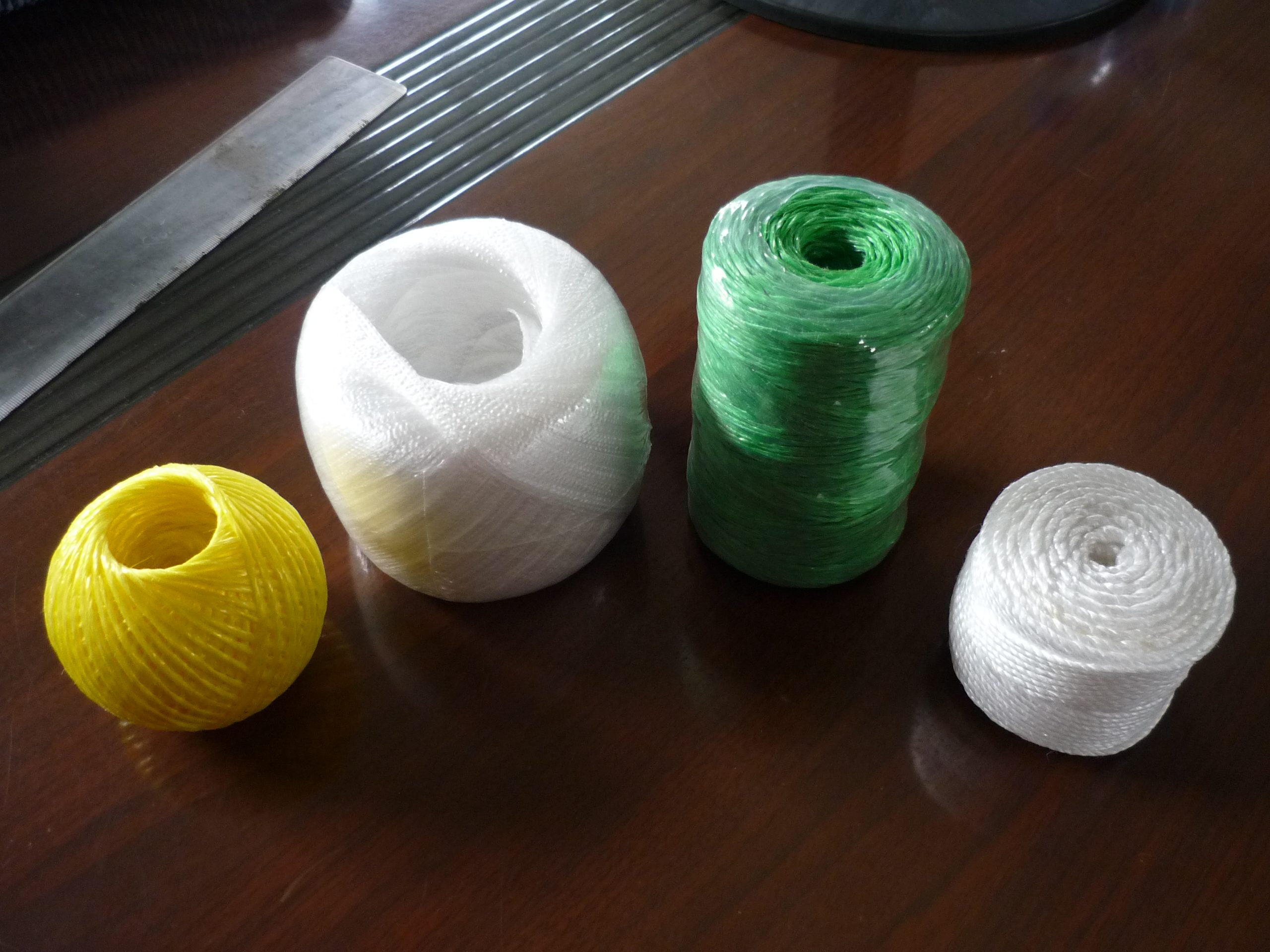
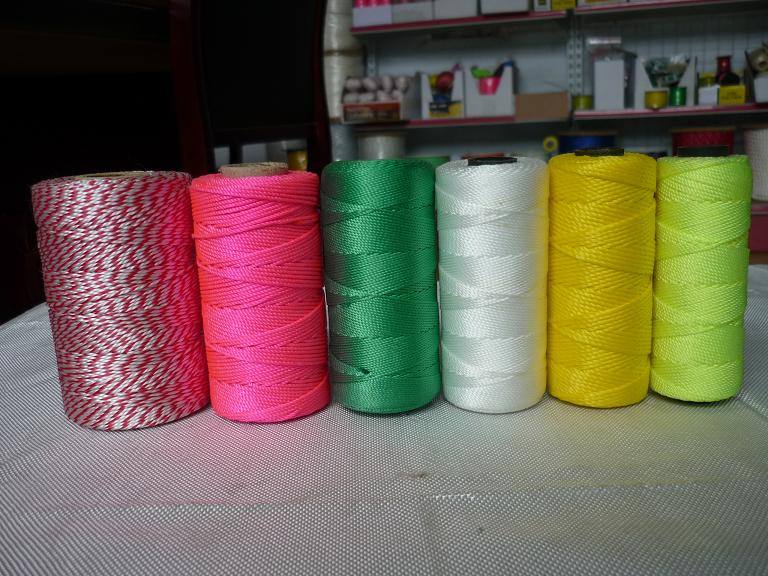
| Spool (small plastic) | Twine, mason’s line, retail cords, small ropes | Cheap, ships flat-packed in cartons; the label wraps the flange |
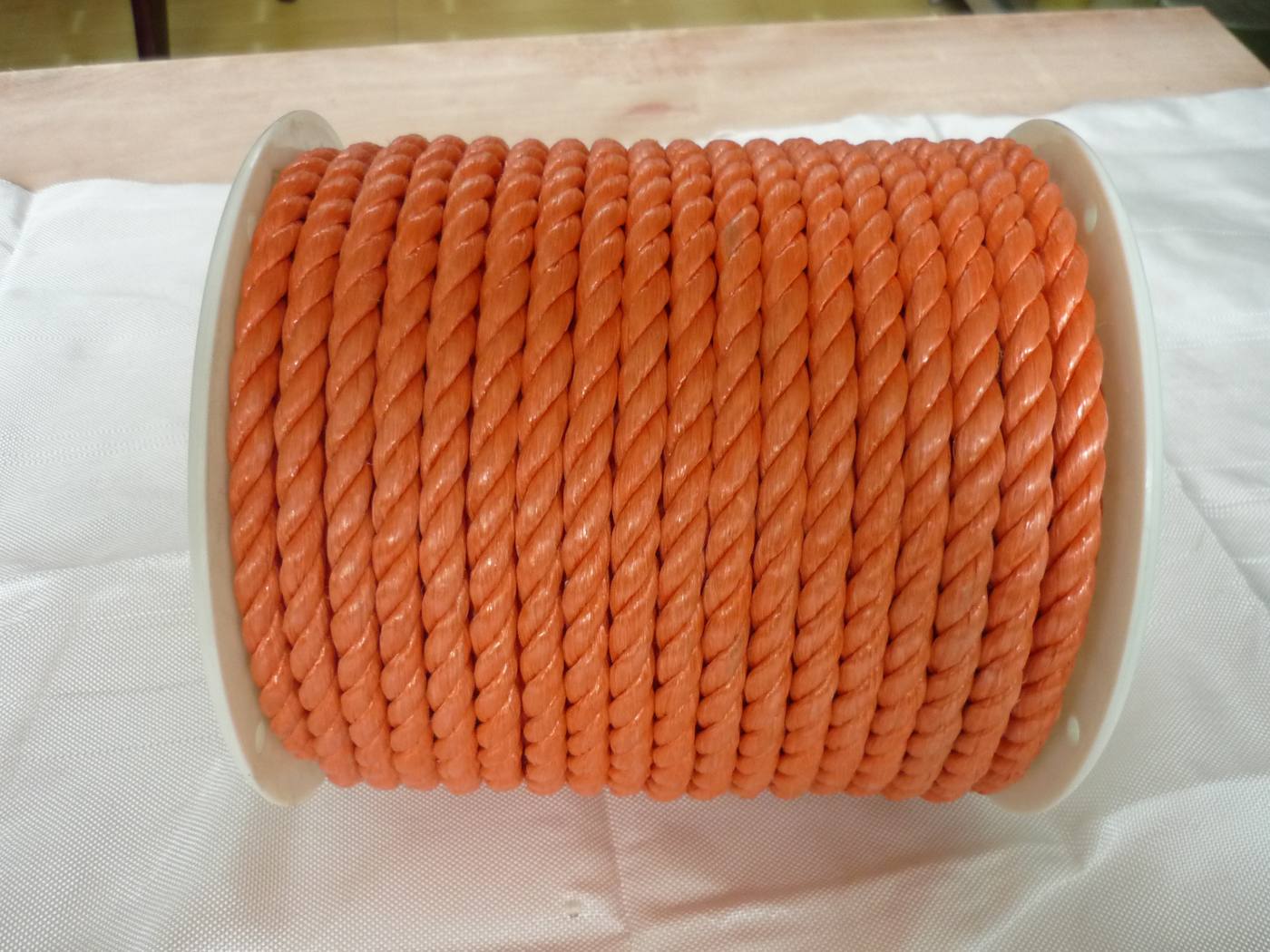
| Reel (large plastic or plywood) | Long lengths (500 m+), fence line, mooring | Better payout for stiff lines; takes more container volume |
| Coil (100 m / 200 m / 220 m, shrink-wrapped) | Bulk 3-strand and braided rope | Wholesale standard; palletised; cut at destination |
| Ball (50 g – 9 kg) | Baler twine, packing twine | Field-friendly; sized to the baler’s twine box |
| Hank | Natural fibre, retail cut lengths | Soft presentation; usually banded and bagged |
| Cut length | Retail ropes, dock lines, assemblies | Bagged with printed insert; ready for the shelf |
| Assembly | Dock lines, halyards, fence pre-tied sets | Cut + spliced + labelled per unit; the rope and the termination are sold together |
Wraps, labels and printed components
| Component | When it is used | Notes |
|---|---|---|
| Polybag (printed or plain) | Cut lengths, hanks, balls | Cheapest wrap; usually with a header card for shelf |
| Header card (printed card, hung on retail hook) | Hardware retail | Display-ready; printed with barcode and product info |
| Printed sleeve / wrap | Reels and large spools | Sleeve slides over the wound rope; printed before winding |
| Self-adhesive label | Coils, reels, balls, cartons | Standard for SKUs that do not need shelf-ready presentation |
| Insert / leaflet | Premium retail, technical products | Multilingual instructions, safety notes, batch info |
Coding and shipping
- Barcode. EAN-13, UPC, ITF-14 — buyer-supplied data or assigned by the buyer. The barcode has to be specified at artwork stage, not at production.
- Language(s). Multilingual print is normal for cross-border retail; state the required languages at artwork stage, not at quotation stage.
- Inner pack. Quantity per shrink-wrap, polybag or tray.
- Master carton. Quantity per carton, carton print, batch coding, “best before” or production date if applicable.
- Shipping mark. Buyer-supplied mark on the carton or the reel, plus any destination-specific marking requirement.
Why packaging has to be defined with the product
A few examples of why these two specifications cannot be separated:
- A 30 m cut length of PP diamond-braid rope for hardware retail requires a different label file, a different inner pack and a different master-carton count than the same rope sold in 220 m coils. The rope specification is the same; the program is different.
- A polyrope reel for a farm-store channel requires a different sleeve print and a different reel size than the same polyrope for an export container. The line is the same; the program is different.
- A baler twine ball sold in pairs needs a different pack configuration and a different label than the same twine sold on a 9 kg spool. The twine is the same; the program is different.
Defining the rope without defining the pack produces a quotation that looks complete and cannot be ordered. Defining both together produces a quotation that can.
Inputs that make the first review useful
A private-label RFQ is workable on the first reply when it includes:
- Target product. A catalog item, current sample, photo or written specification.
- Sellable unit. Length or weight per spool, reel, coil, ball, hank or pack.
- Artwork. Label dimensions, print file, barcode data and required languages.
- Quantity. Total quantity and number of SKUs or colour variants.
- Destination. Country and any buyer-specified packaging or labelling rules.
A consistent specification across these inputs lets the supplier review the available route, the print method, the components and the timing against the actual request — and tells the buyer what additional information is needed before a real quotation can be issued.
What is reviewed against the actual inquiry
Several items cannot be priced generically because they depend on the program:
- MOQ. A small reel program with two SKUs and a 5,000-pack quantity behaves differently from a wide reel program with twenty SKUs and 500 packs each. MOQ is assessed for the actual request.
- Sample. Sample availability, sample timing and sample cost depend on the product and packaging configuration and are not included by default. Whether the sample is free or paid is part of the inquiry, not an automatic inclusion.
- Lead time. Production lead time depends on the product, the packaging components, the print method, the number of variants and the requested quantity.
- Print method. The print method (self-adhesive label, sleeve print, header card, carton print) is chosen against the SKU and the artwork.
- Available pack components. Spool, reel, ball, bag, header card and carton are common formats; whether a specific format is available for the target SKU is part of the inquiry.
These items are reviewed case by case. The site does not publish fixed terms on them.
Sending the request
The RFQ form walks through the product and the pack fields in one email. Where the buyer already has an artwork file, a reference SKU or a sample, attaching it to the same message lets the supplier review all three against each other instead of in sequence.
The complete specification discipline that protects the buyer’s time — vague RFQ vs usable RFQ, photo vs sample, fields that change the price — is in how to specify rope for an RFQ. When the first private-label samples arrive, the electric-fence sample approval checklist covers the fields that decide whether the line is approved for production.